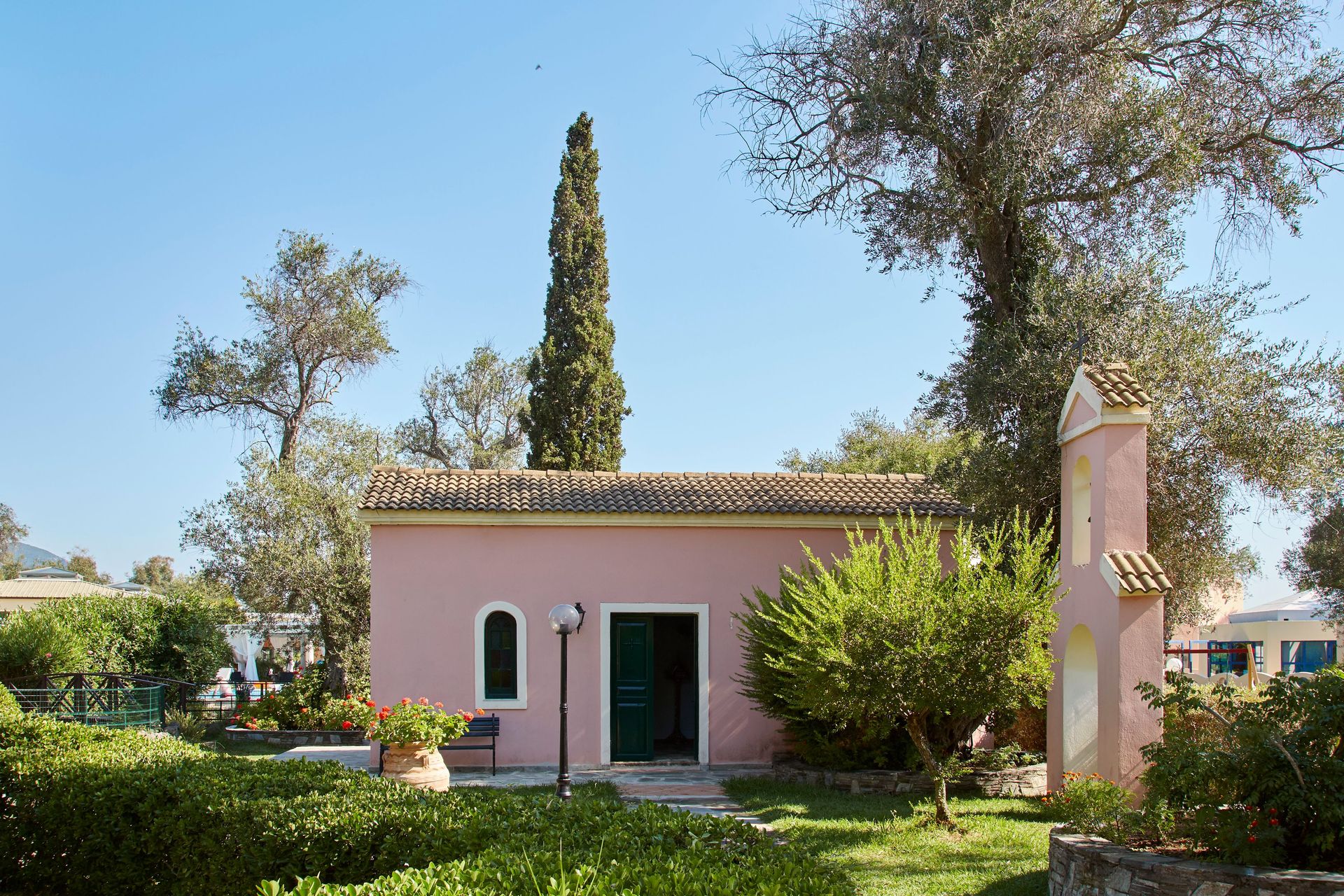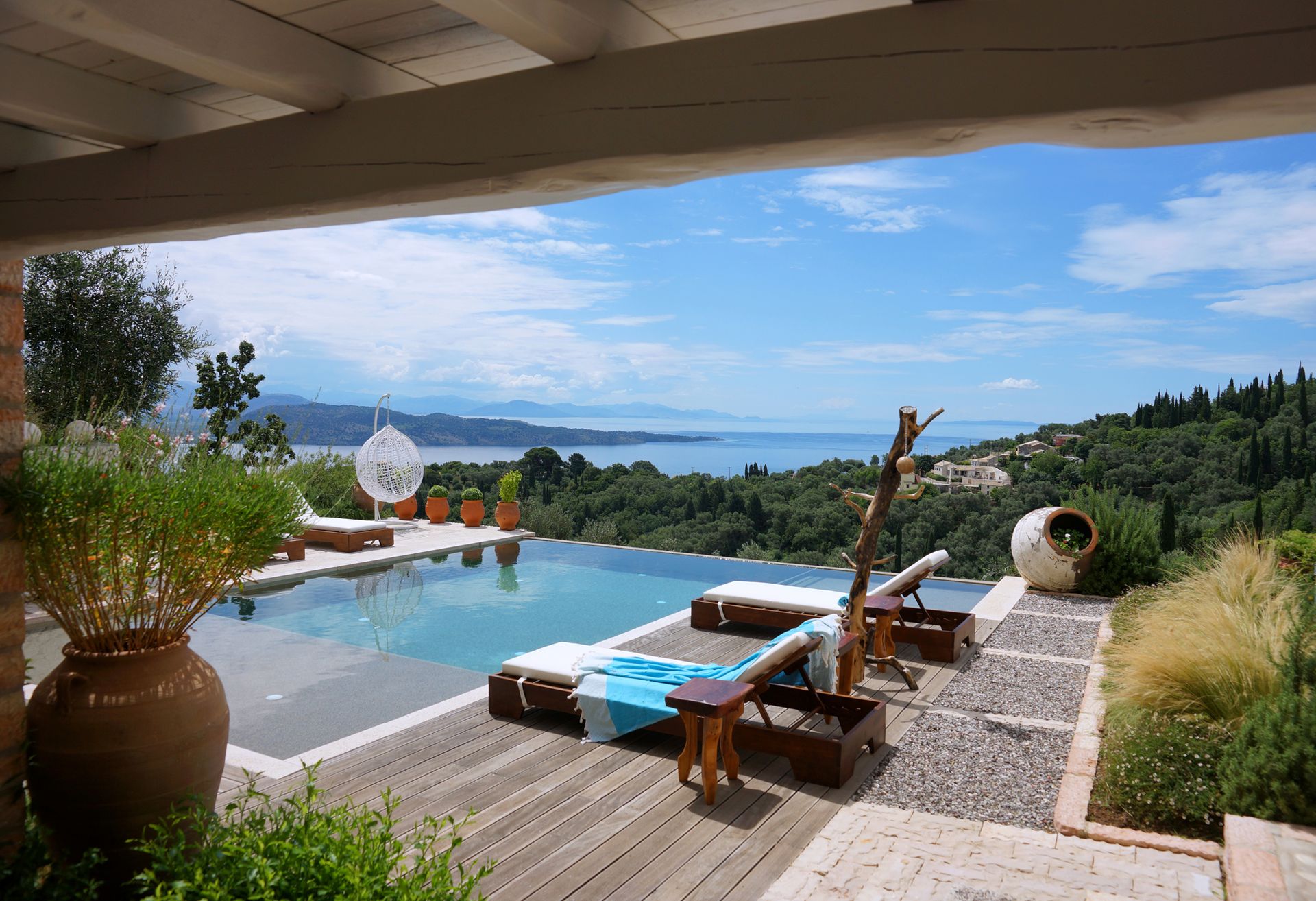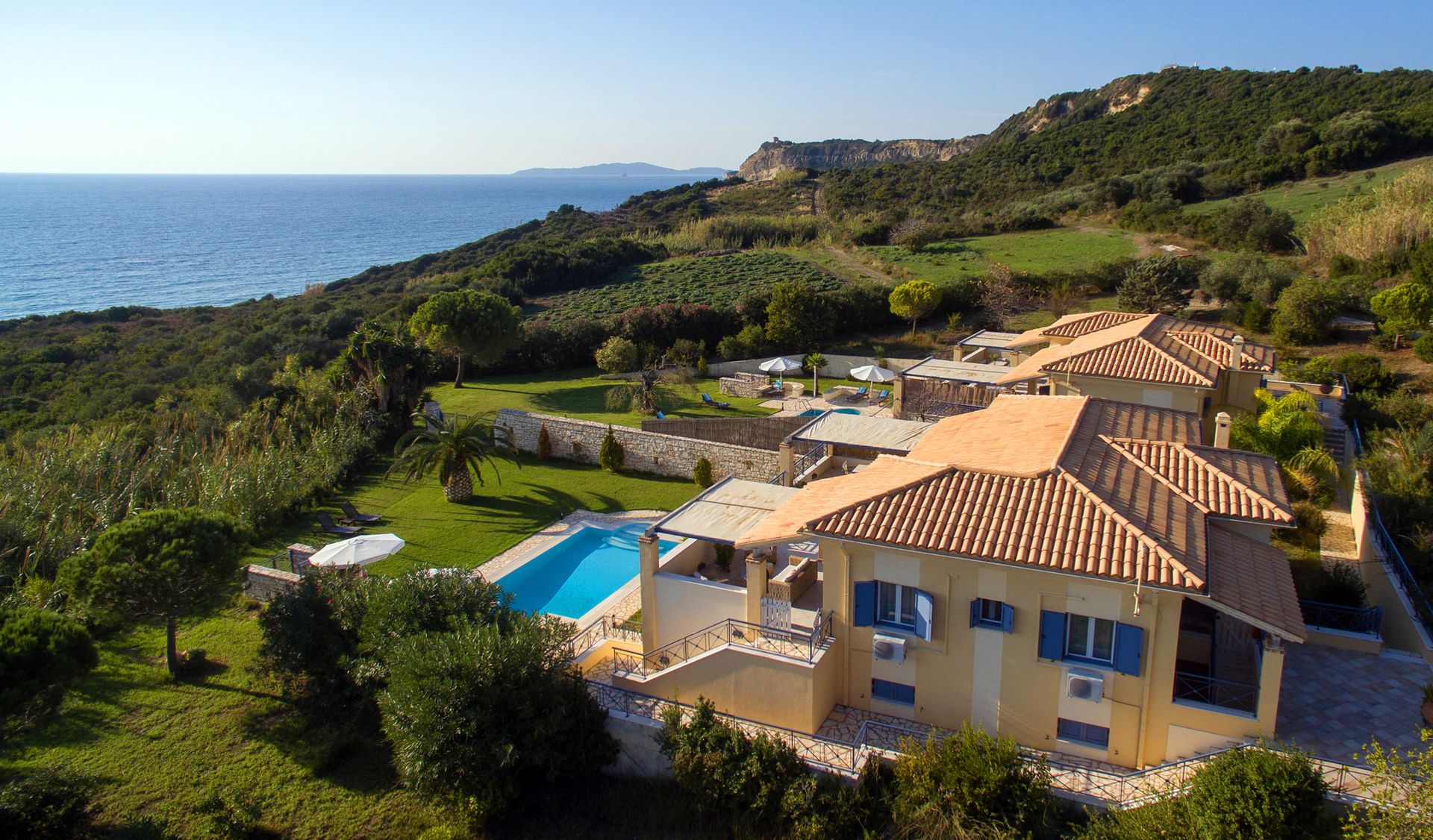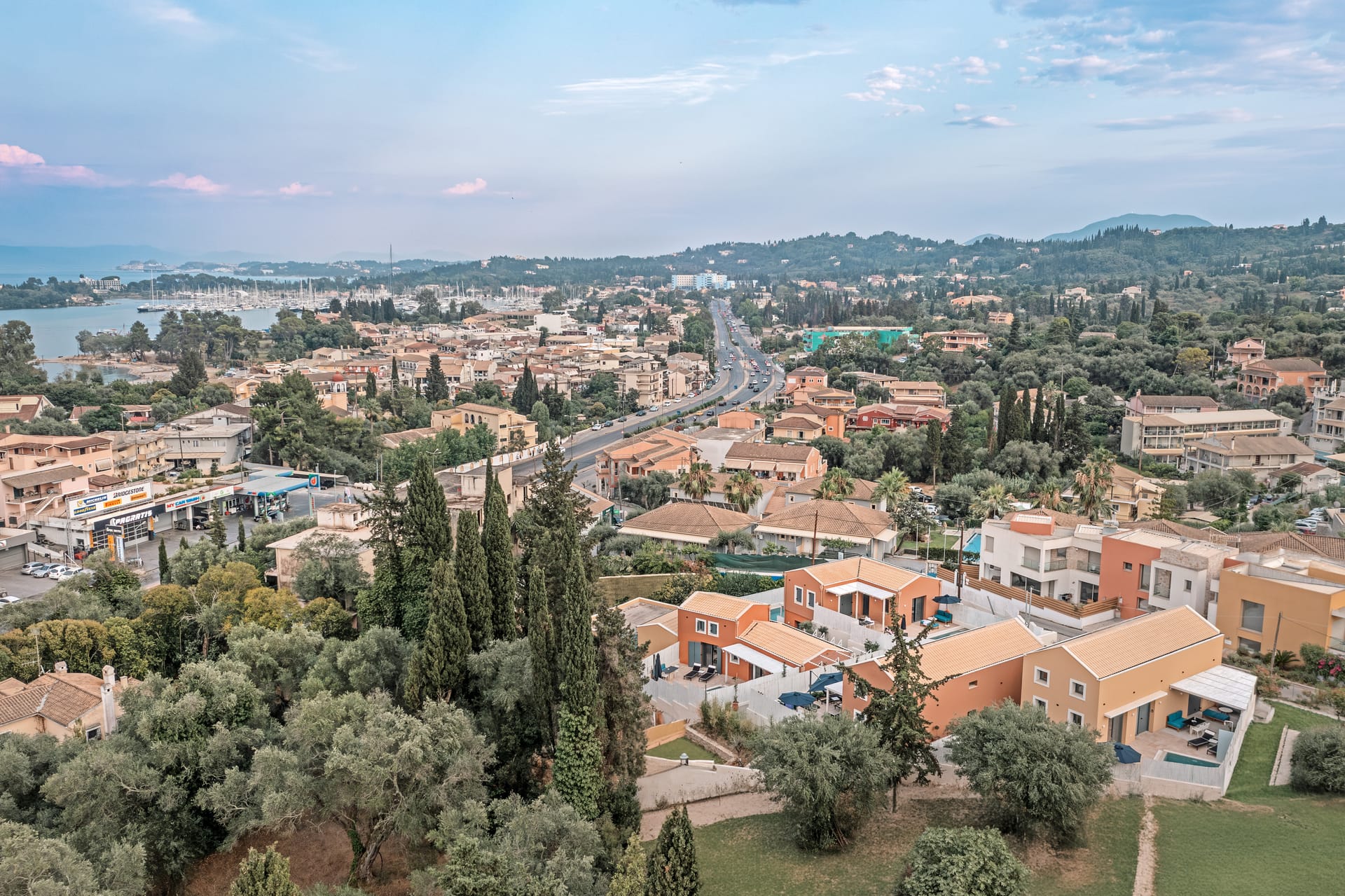
Corfu is the greenest of the major Greek islands, set in the northern Ionian sea just off the Albanian and Greek mainland coasts. Centuries of Venetian, French and British rule have left a town of arcaded streets, cricket on the esplanade, and a French-style spianada that feels closer to Trieste than to the Aegean. The countryside is dense with cypress and olive groves: Corfu's olive trees, planted in their millions during Venetian rule, still produce some of Greece's finest oil. The coastline ranges from west-coast cliffs and sandy bays to gentler east-coast coves looking across to the Albanian mountains.
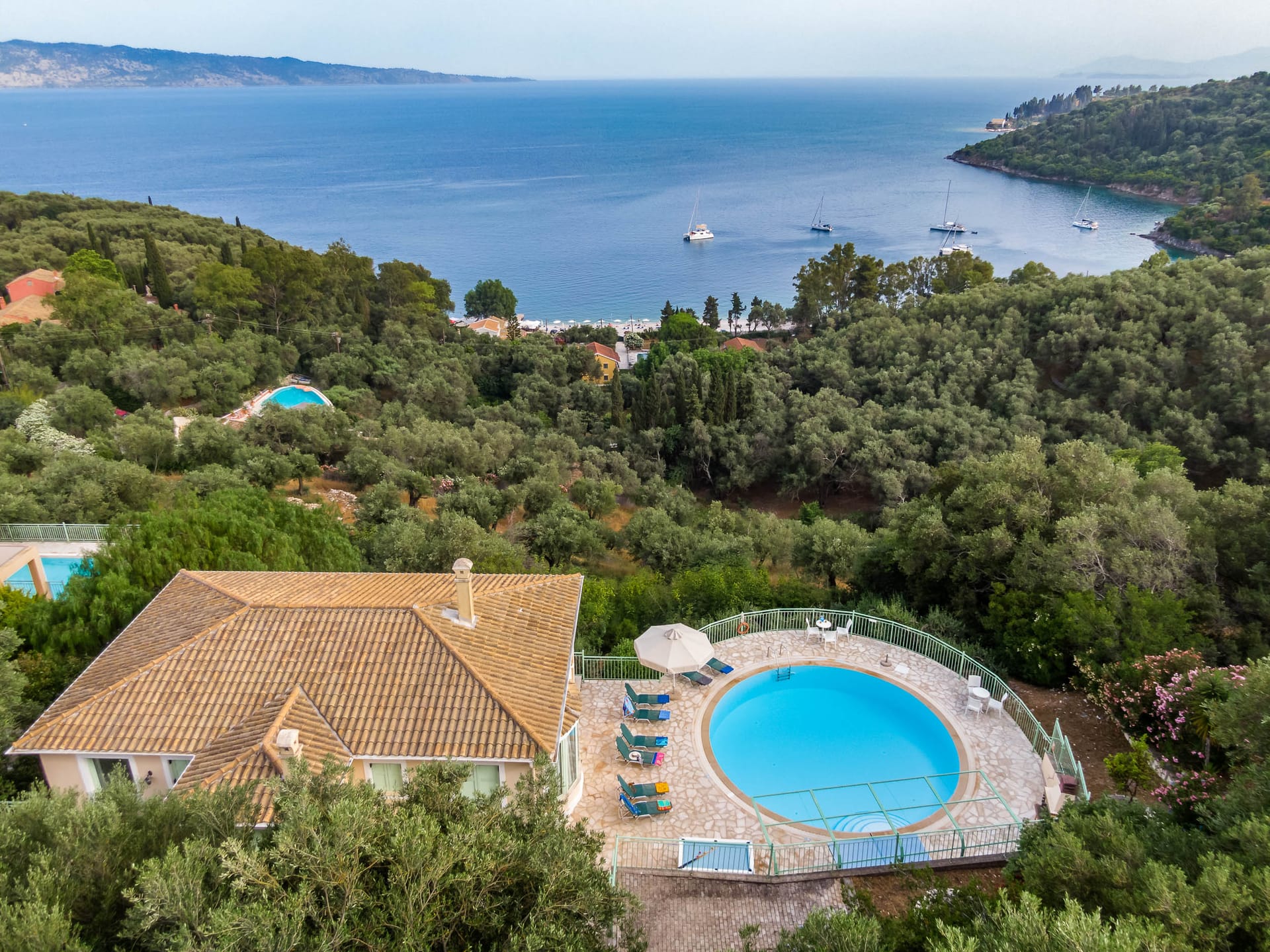
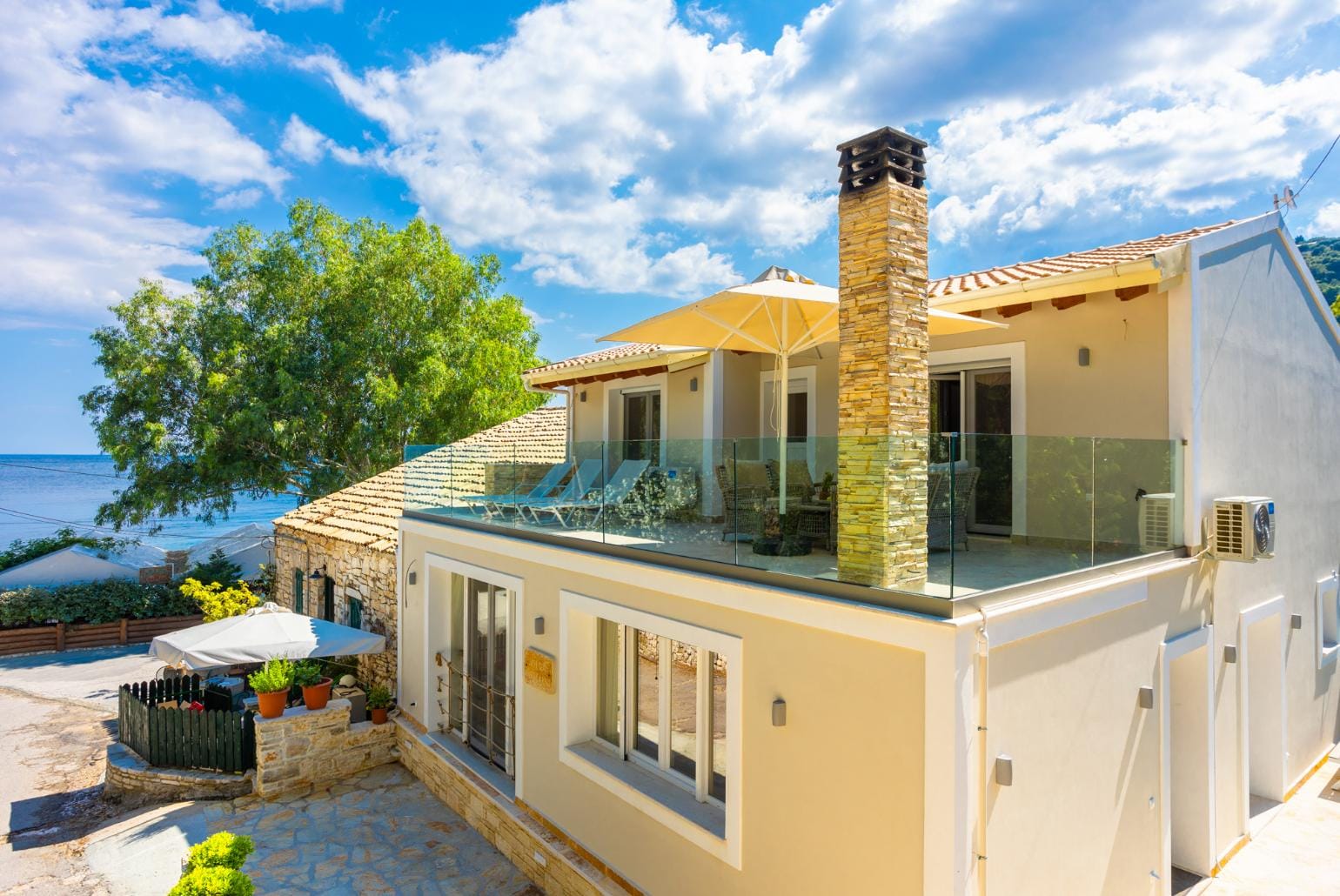
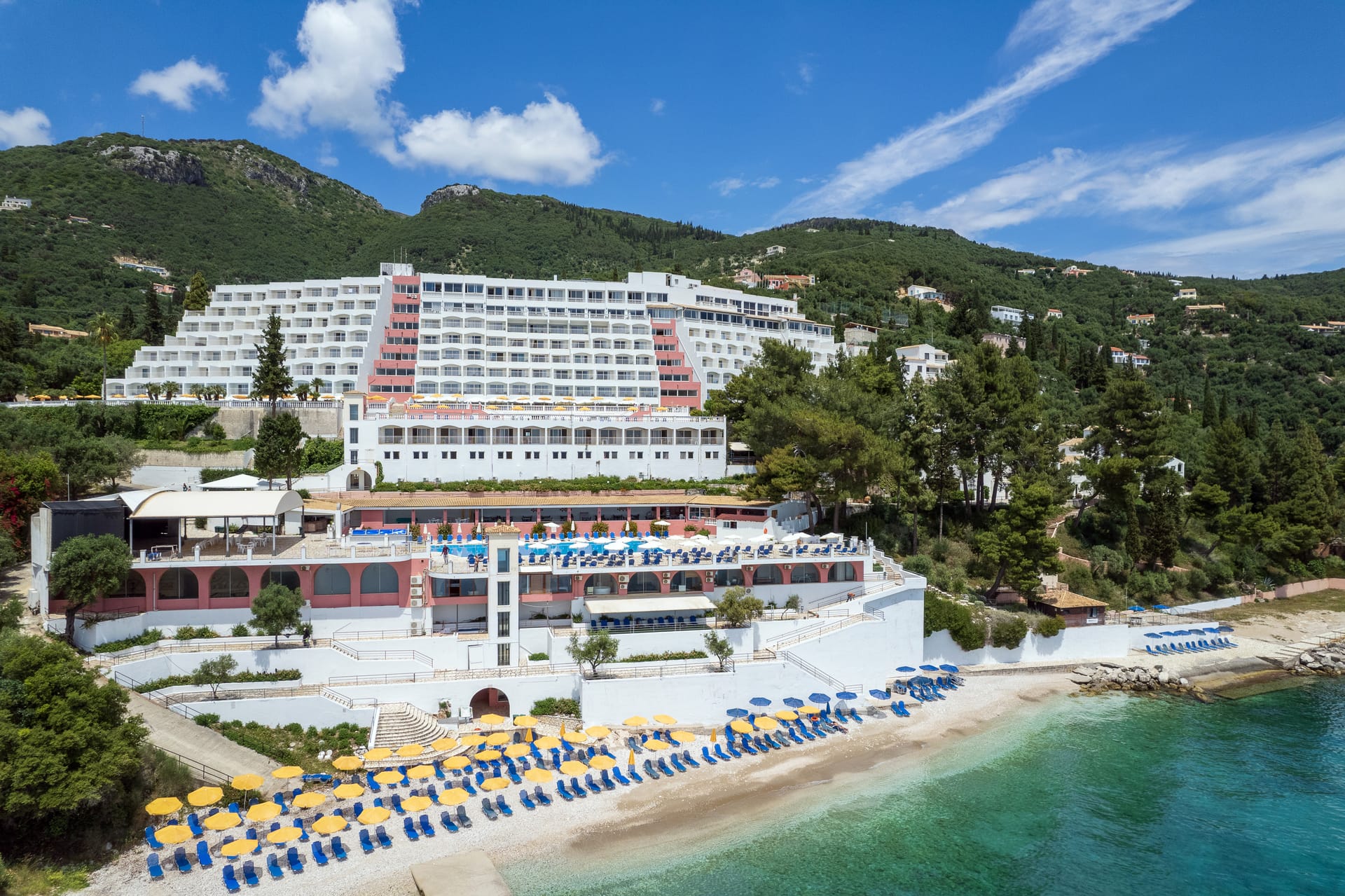
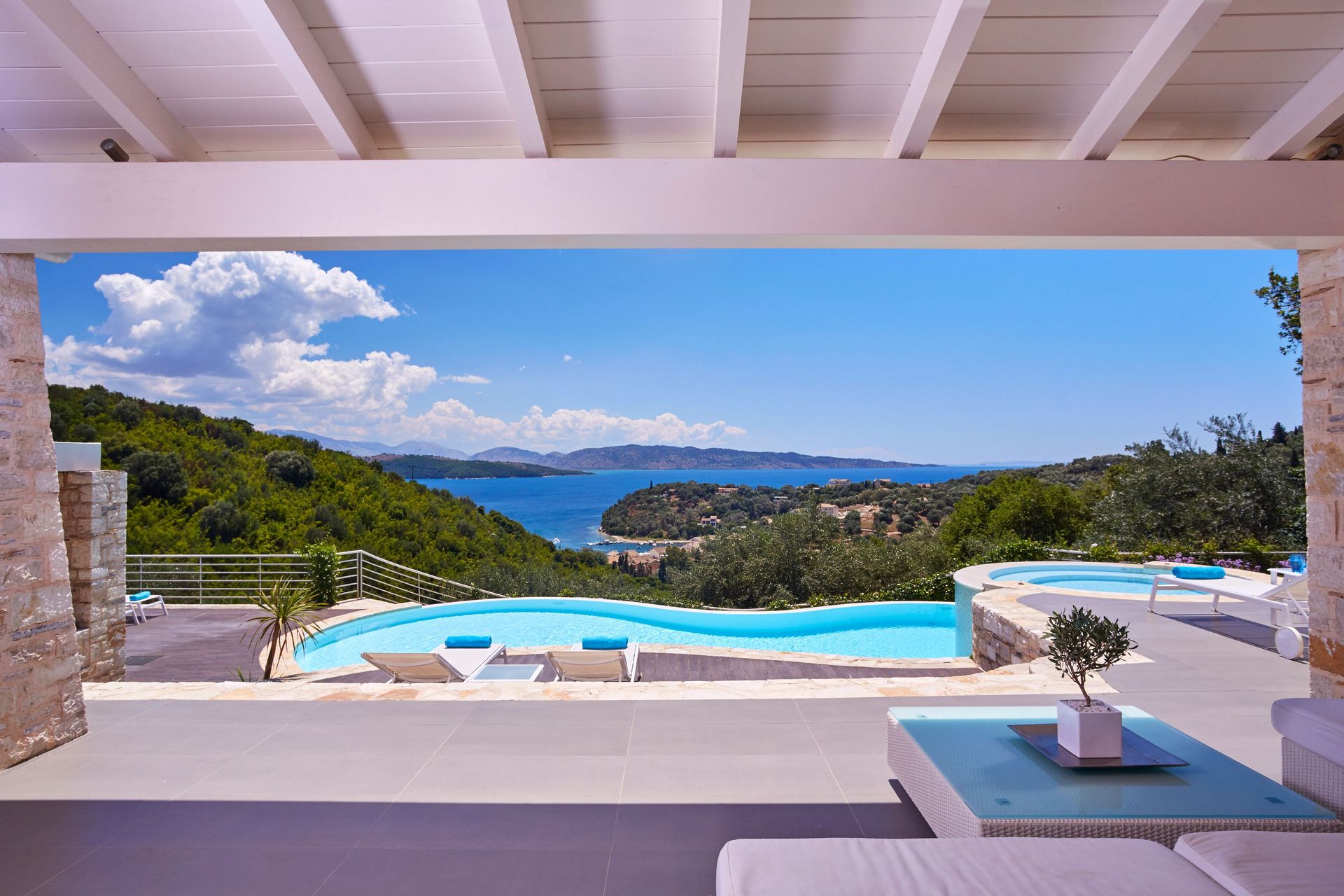
Corfu Town, on the east coast, is a UNESCO World Heritage site of Venetian fortresses, Italianate alleys and the unusual Liston arcade. Northeast Corfu around Kassiopi, Agios Stefanos, Kalami and Nissaki is the lush, upmarket coast made famous by the Durrells; expect olive-shaded villas and small pebble coves on water like a swimming pool. The west coast around Paleokastritsa and Glyfada has dramatic limestone cliffs and proper sandy beaches. The south, around Kavos, leans into party tourism, while inland villages like Pelekas, Lakones and the old capital of Old Perithia reward slower exploration.
Corfu's food carries strong Venetian and Italian inflections: pastitsada slow-cooked meat with spiced tomato sauce, sofrito beef with garlic and white wine, and bourdeto fish in red pepper. Kumquats, brought from Asia in the 19th century, became the island's signature crop and now appear as liqueur, sweets and marmalade in every shop. Corfu suits travellers wanting greenery and culture as much as beach.