The Peloponnese is the southern peninsula of mainland Greece — connected to Athens by the Corinth Canal, three hours from the capital, and home to more major ancient sites than anywhere else in Greece. Olympia, Mycenae, Epidaurus, Sparta, Mystras — five UNESCO World Heritage sites within a single peninsula.
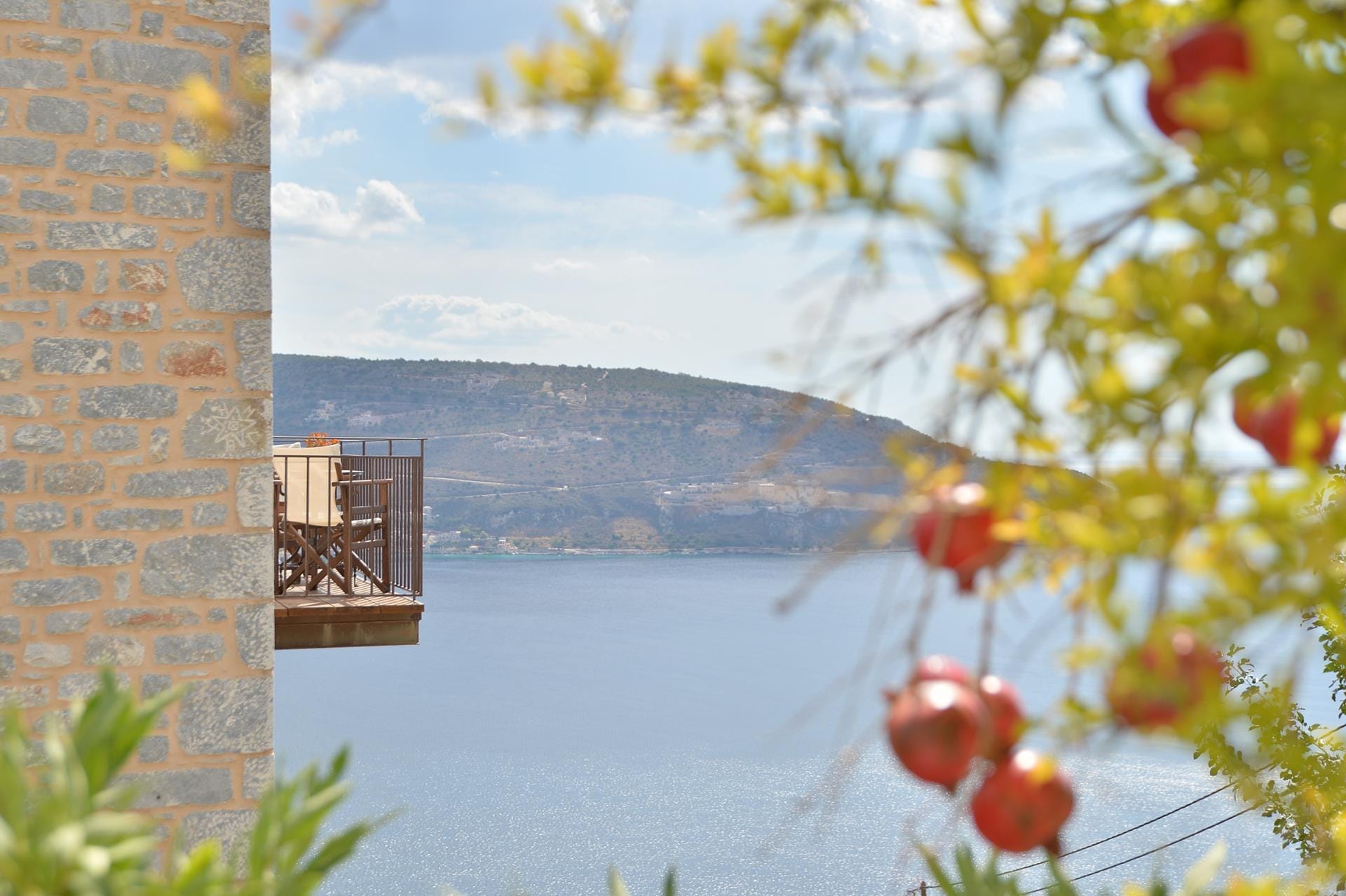
Nafplio on the east coast is Greece's most romantic small city — Venetian fortresses, neoclassical houses, an old town built on a peninsula jutting into the sea. Kalamata on the south-west is the second city of the Peloponnese, surrounded by olive groves (Kalamata olives originated here) and the beaches of the Messinian Bay. Pylos further south has one of the most beautiful natural harbours in the world. Monemvasia on the south-east is a Byzantine castle-town built into a cliff and accessed by a causeway — completely unique in the Mediterranean.
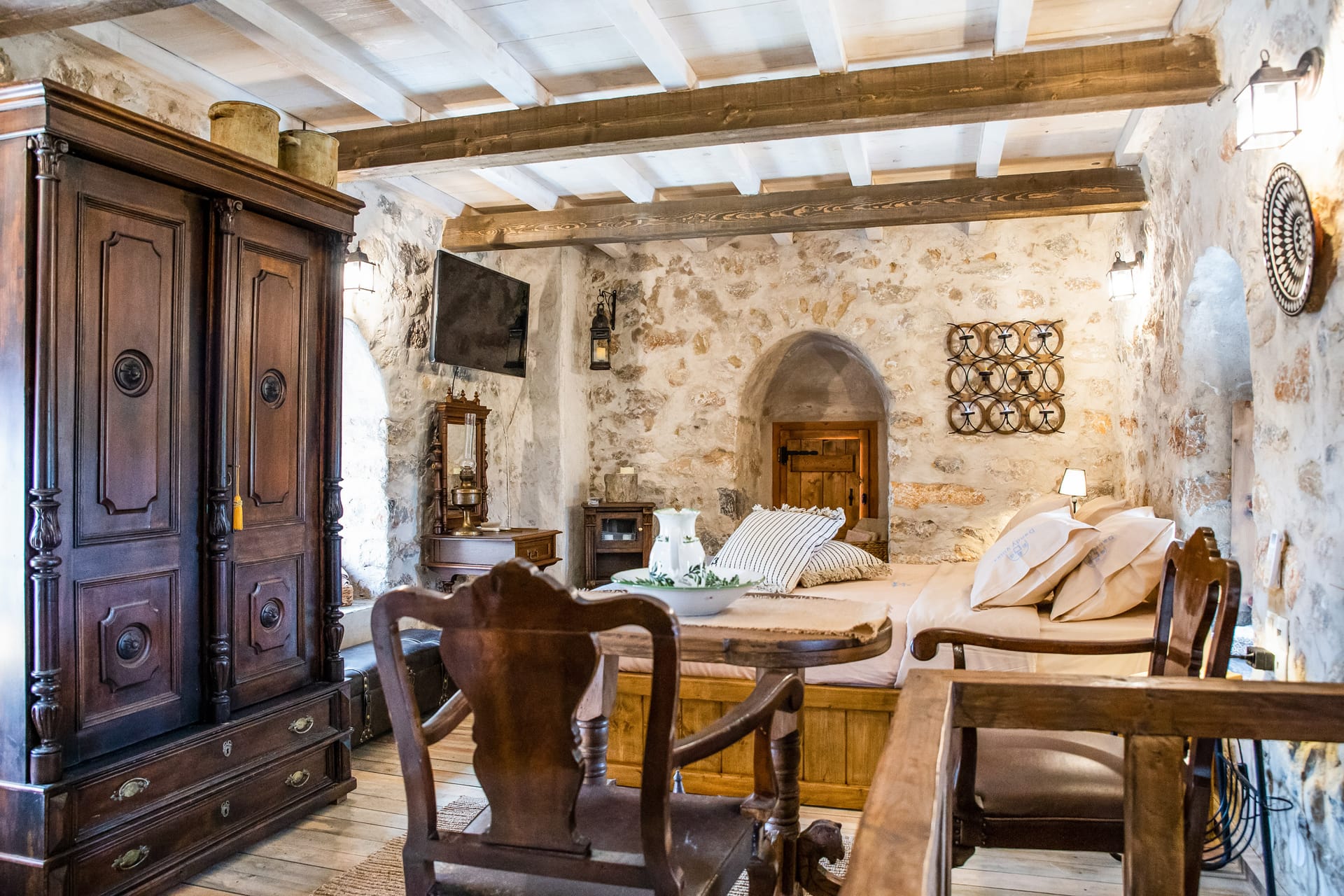
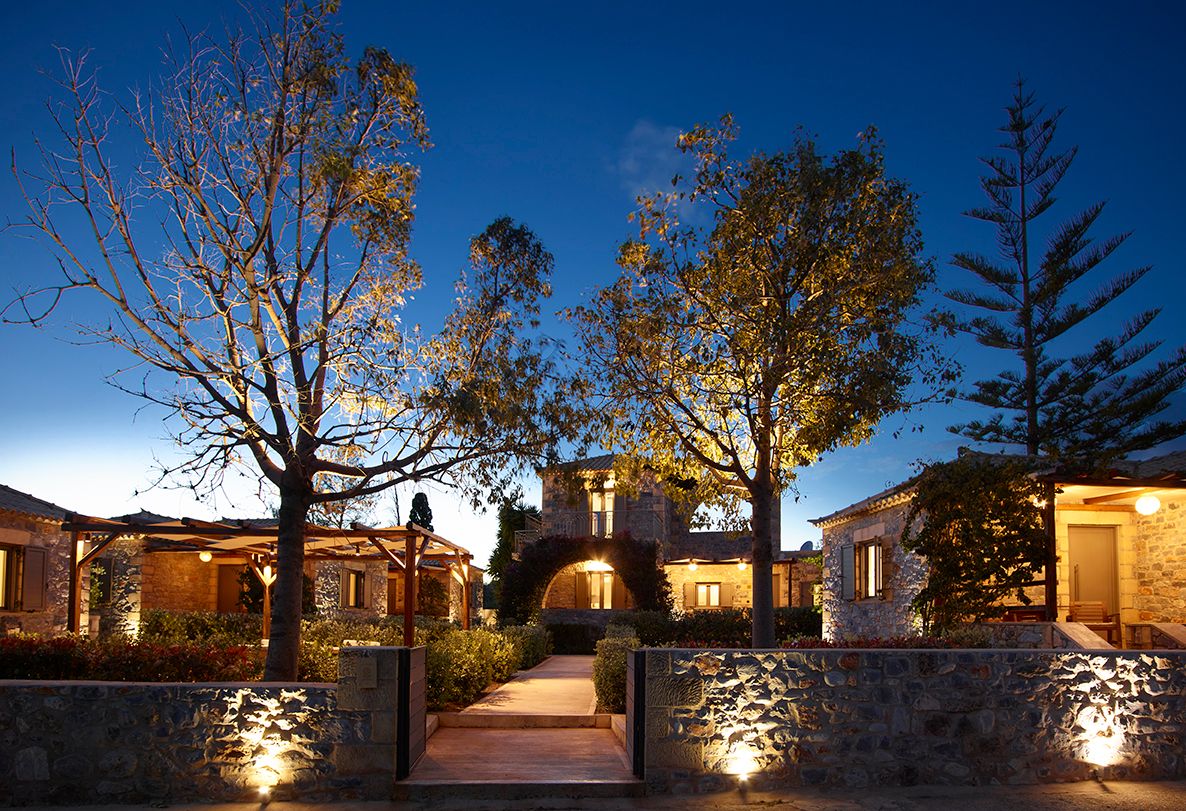
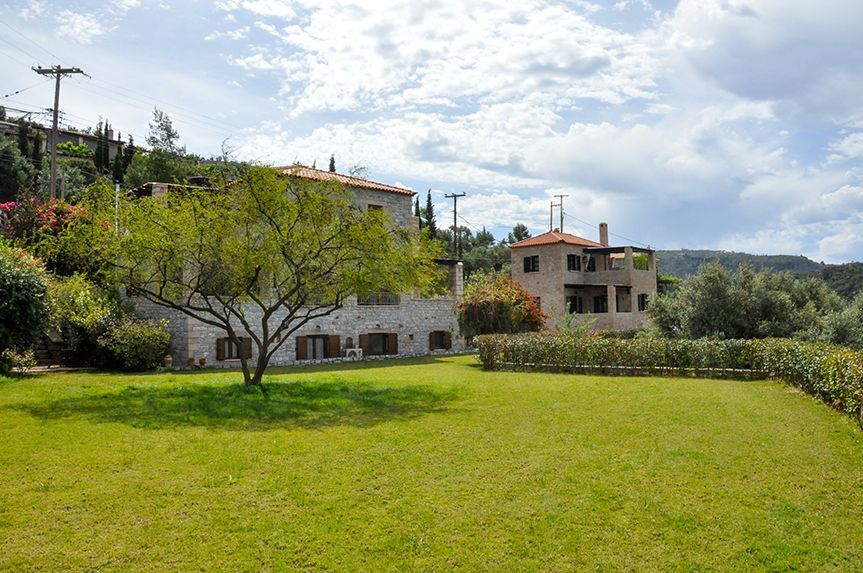
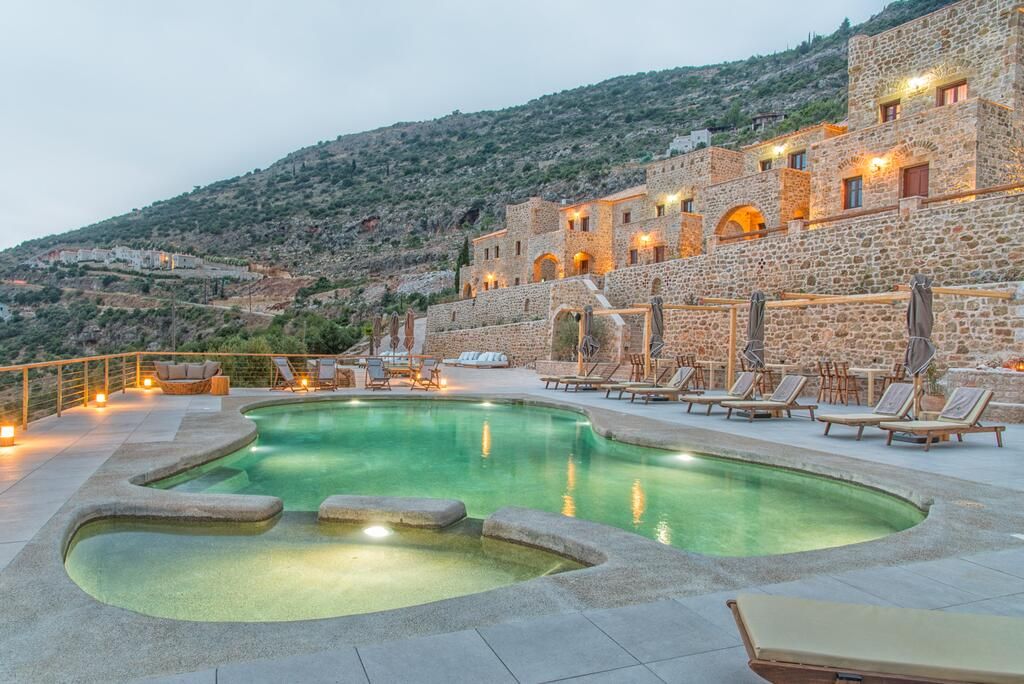
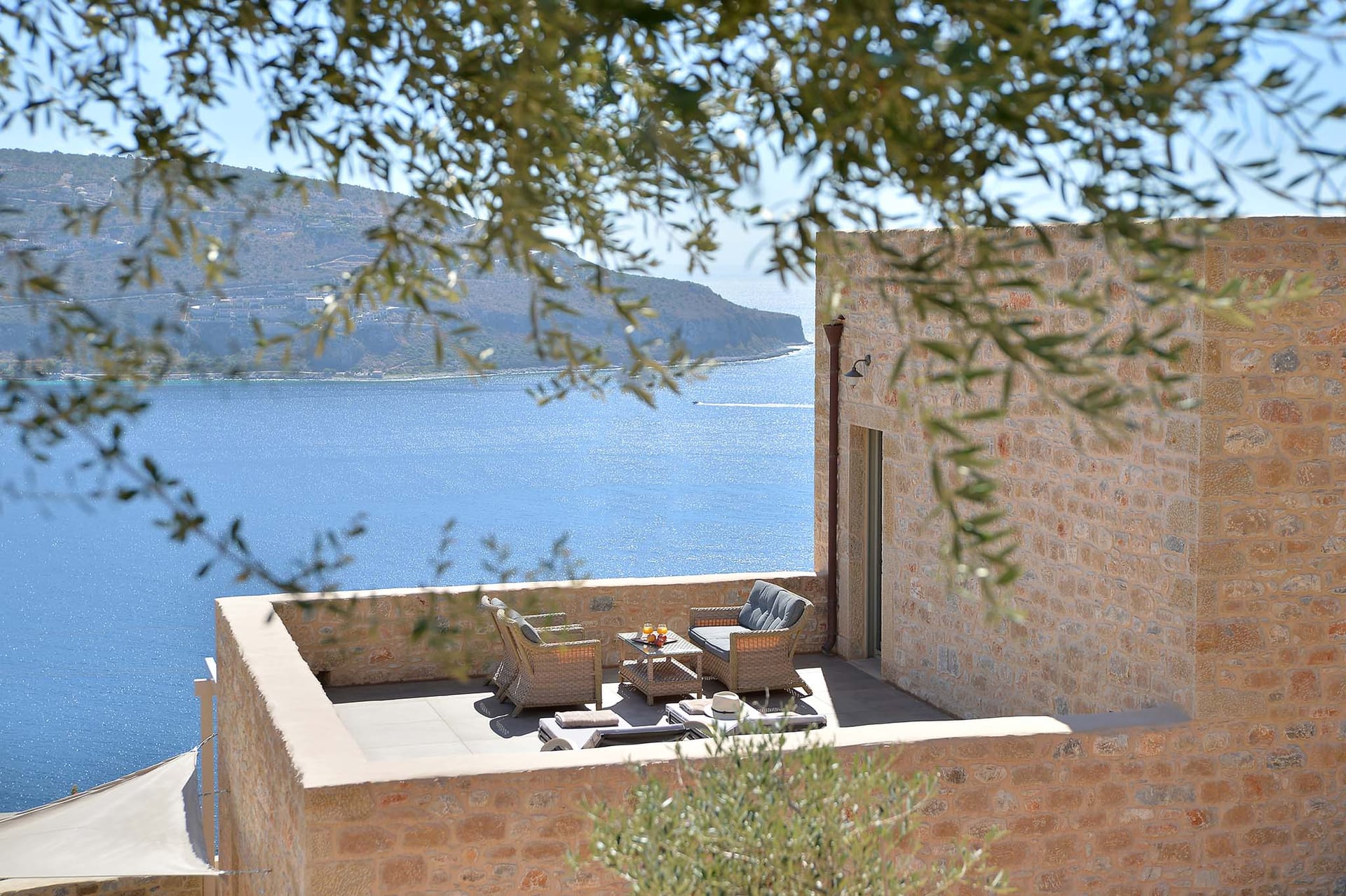
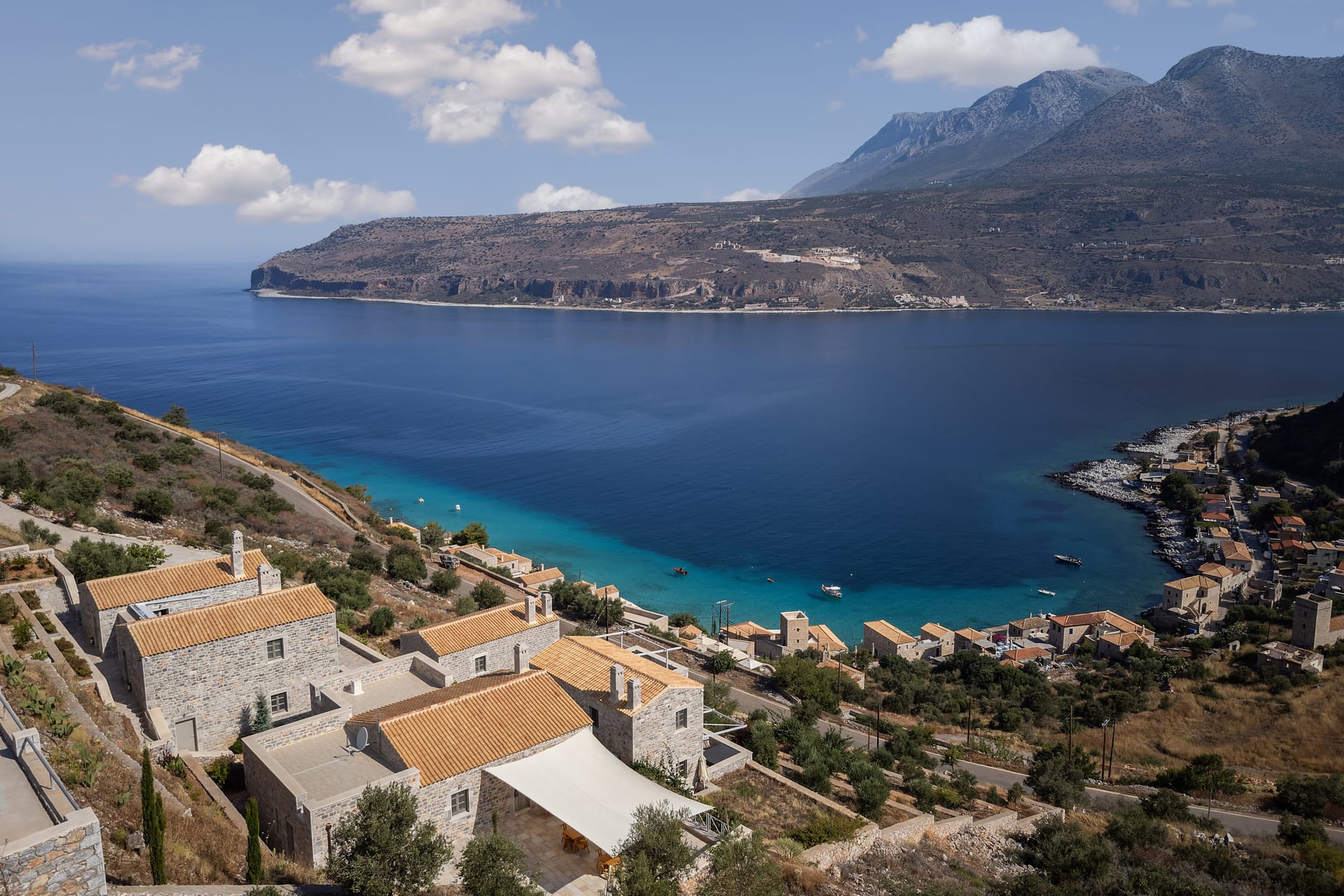
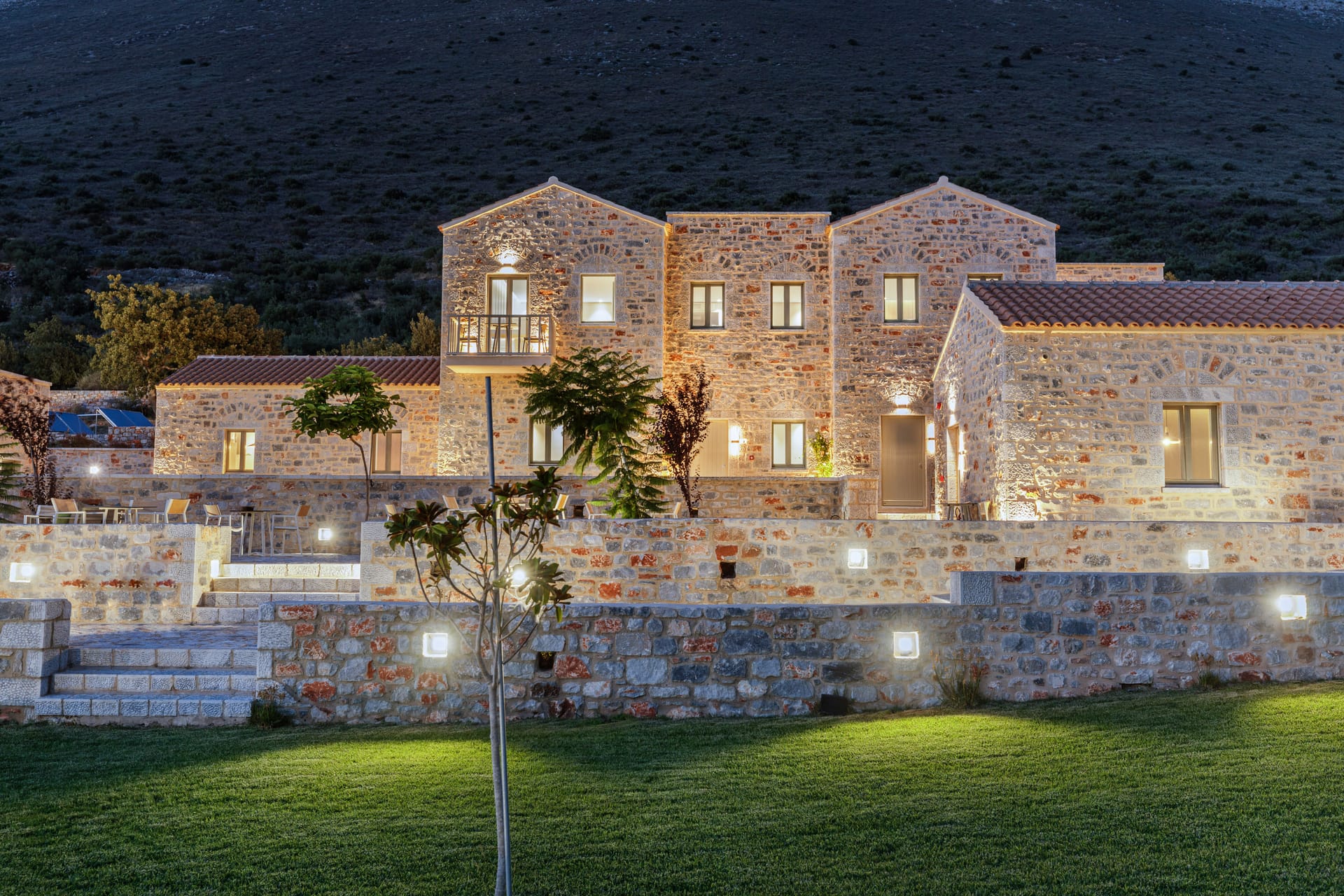
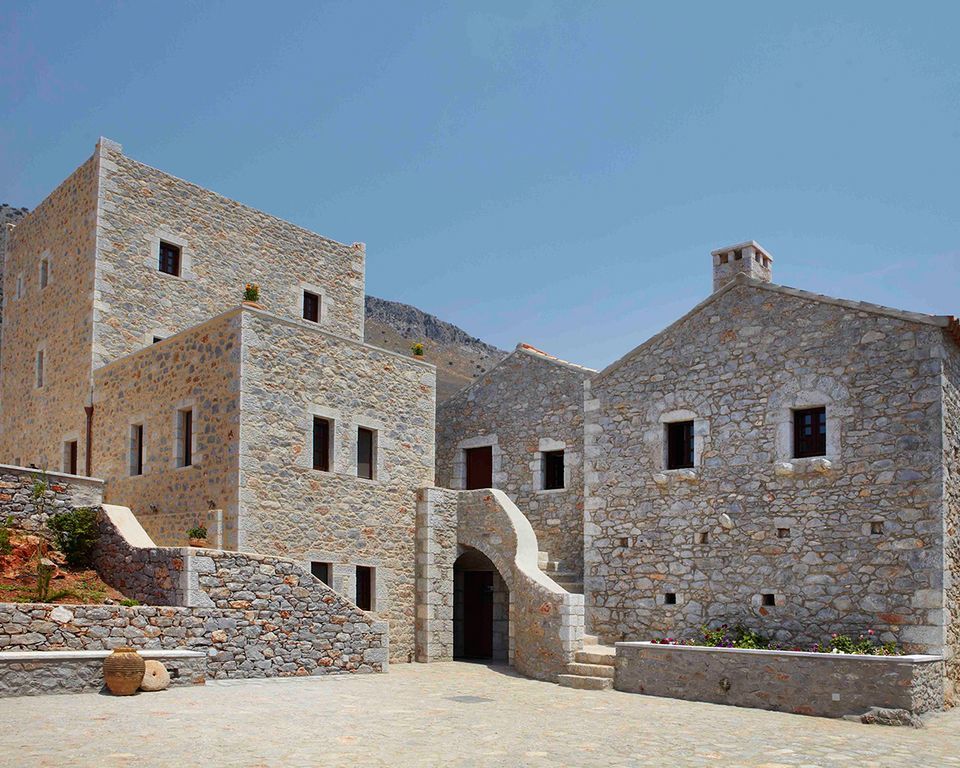
The Mani peninsula in the deep south is the wildest part of the Peloponnese — stone tower-houses, dramatic coastline, and a fiercely independent local culture. Costa Navarino near Pylos has put Messinia on the international luxury map. The mountainous central Arcadia region — Karpenisi, Dimitsana, Stemnitsa — is the place for stone villages and winter chestnut forests.
The Peloponnese rewards a road trip. Five days minimum, ten days ideal, two weeks fully covered. Many visitors fly into Athens, drive south, and base in two or three different areas (Nafplio + Kalamata + Monemvasia for example). Direct flights to Kalamata airport from many European cities in summer skip Athens entirely.