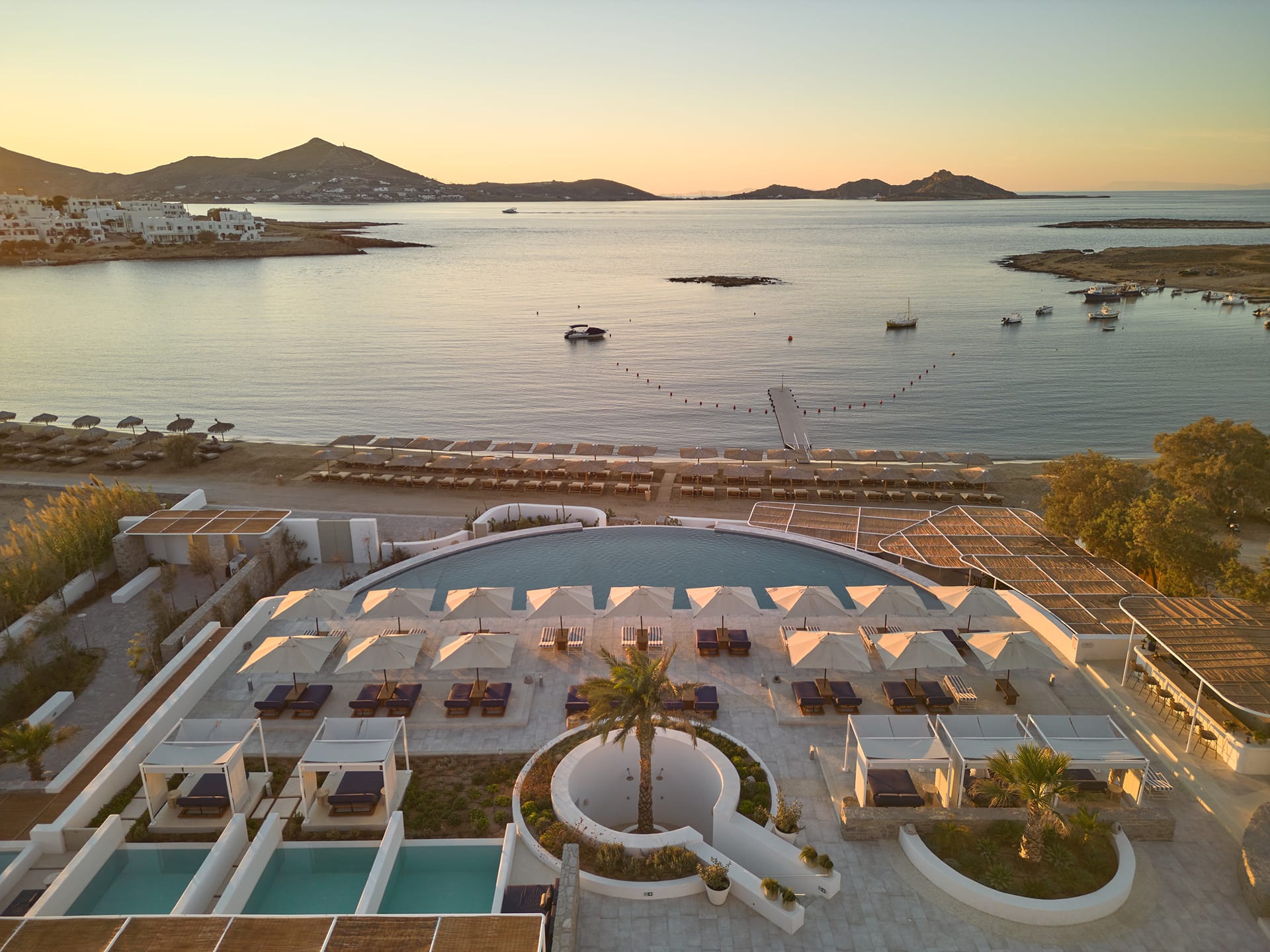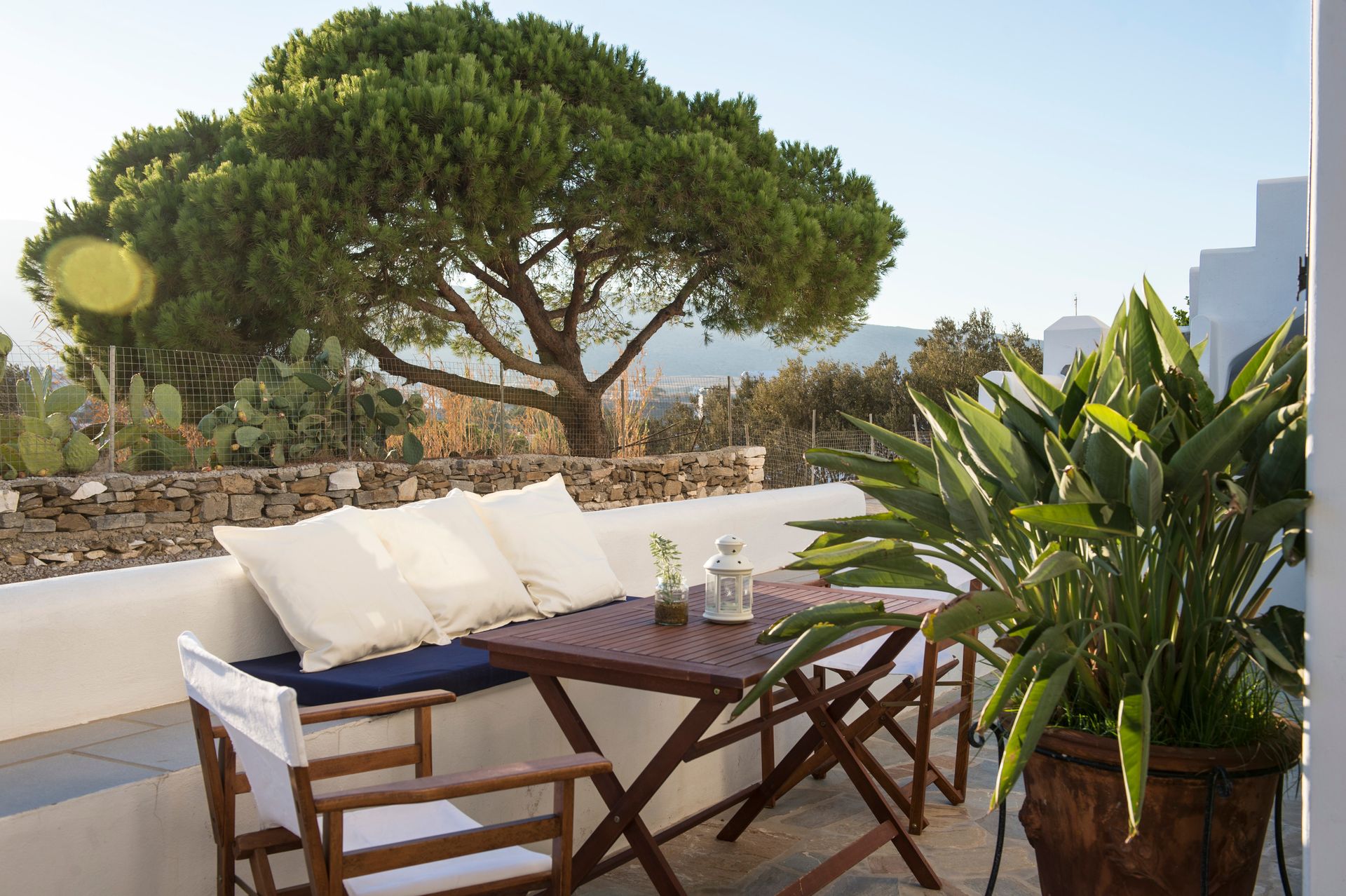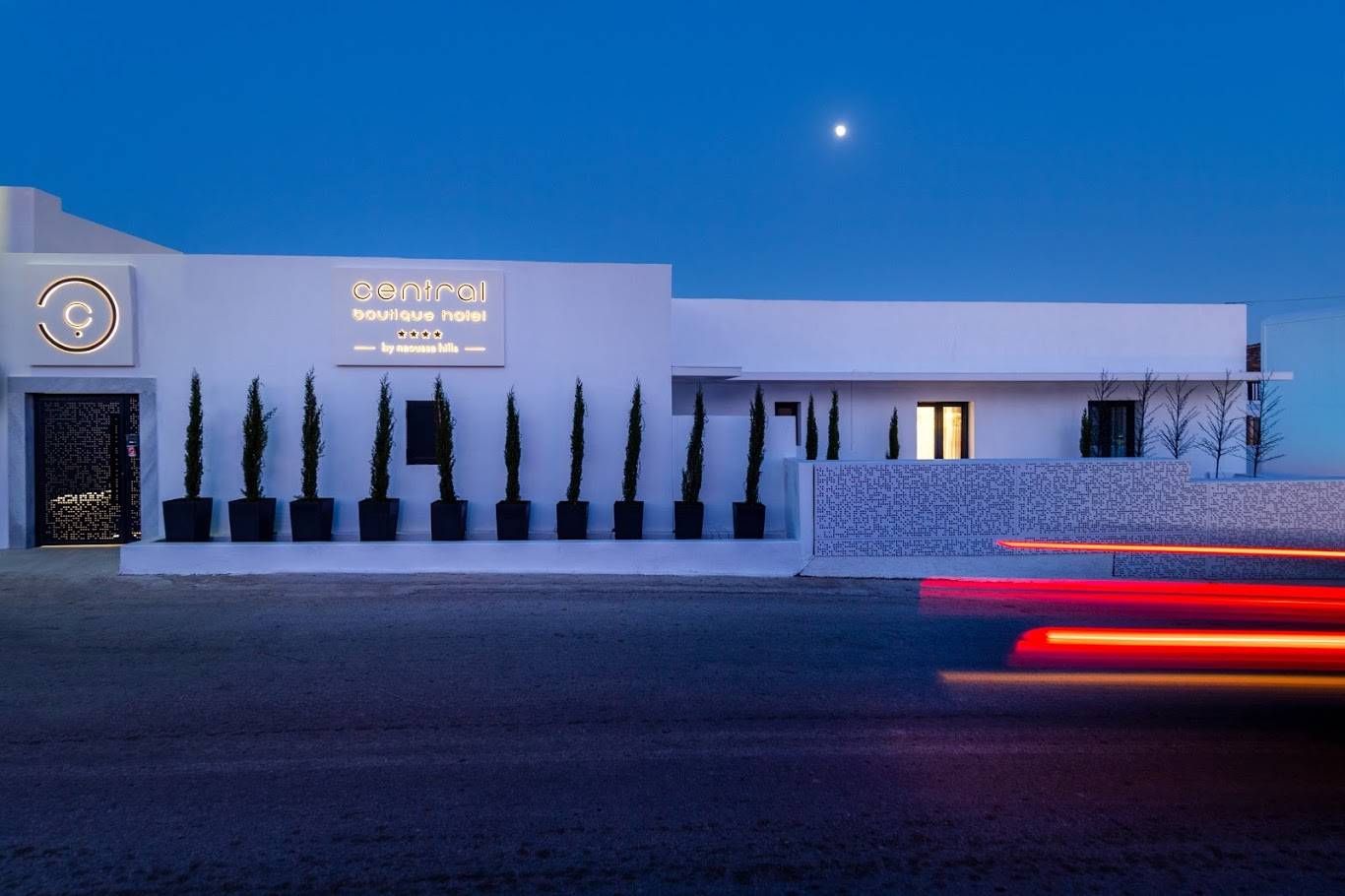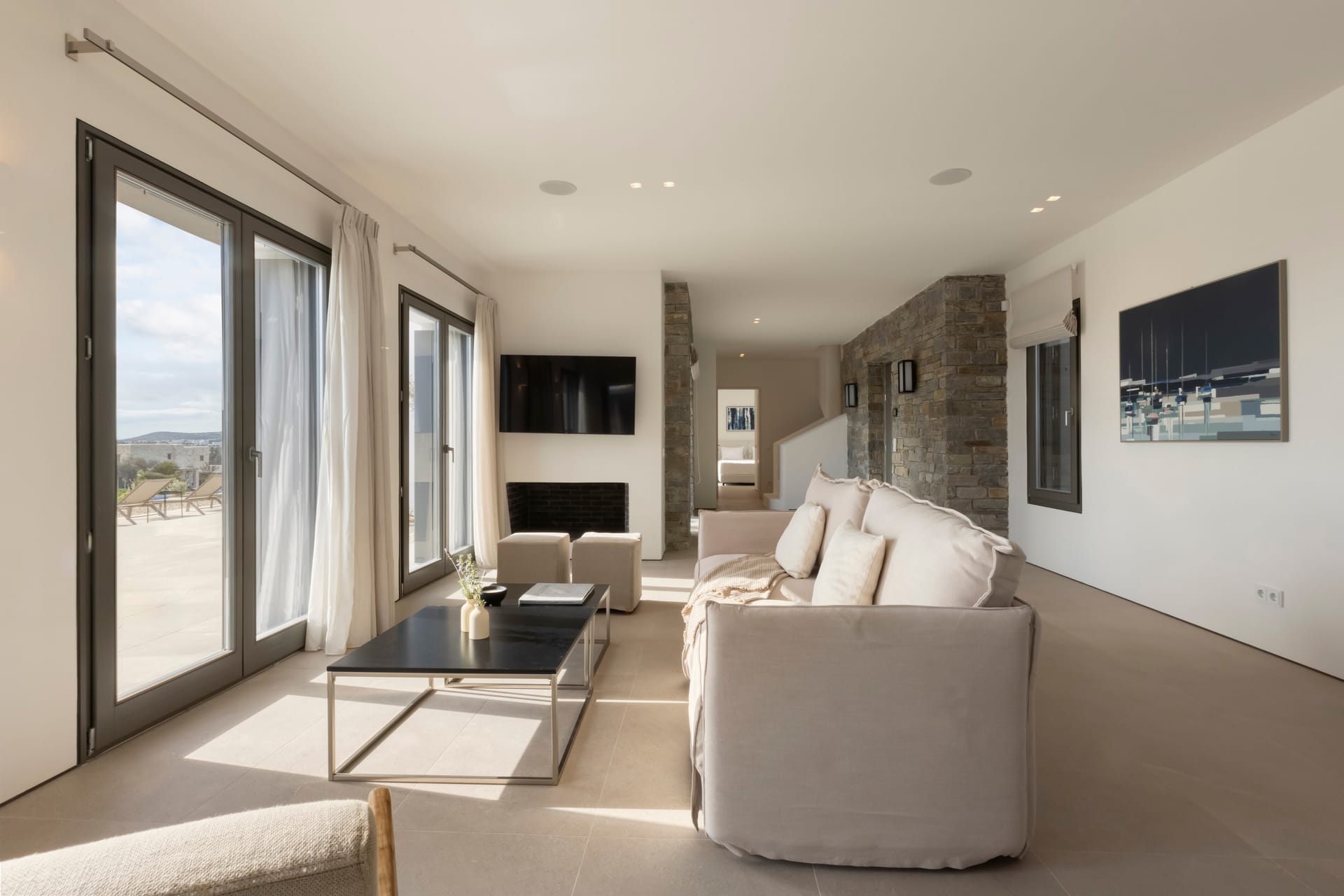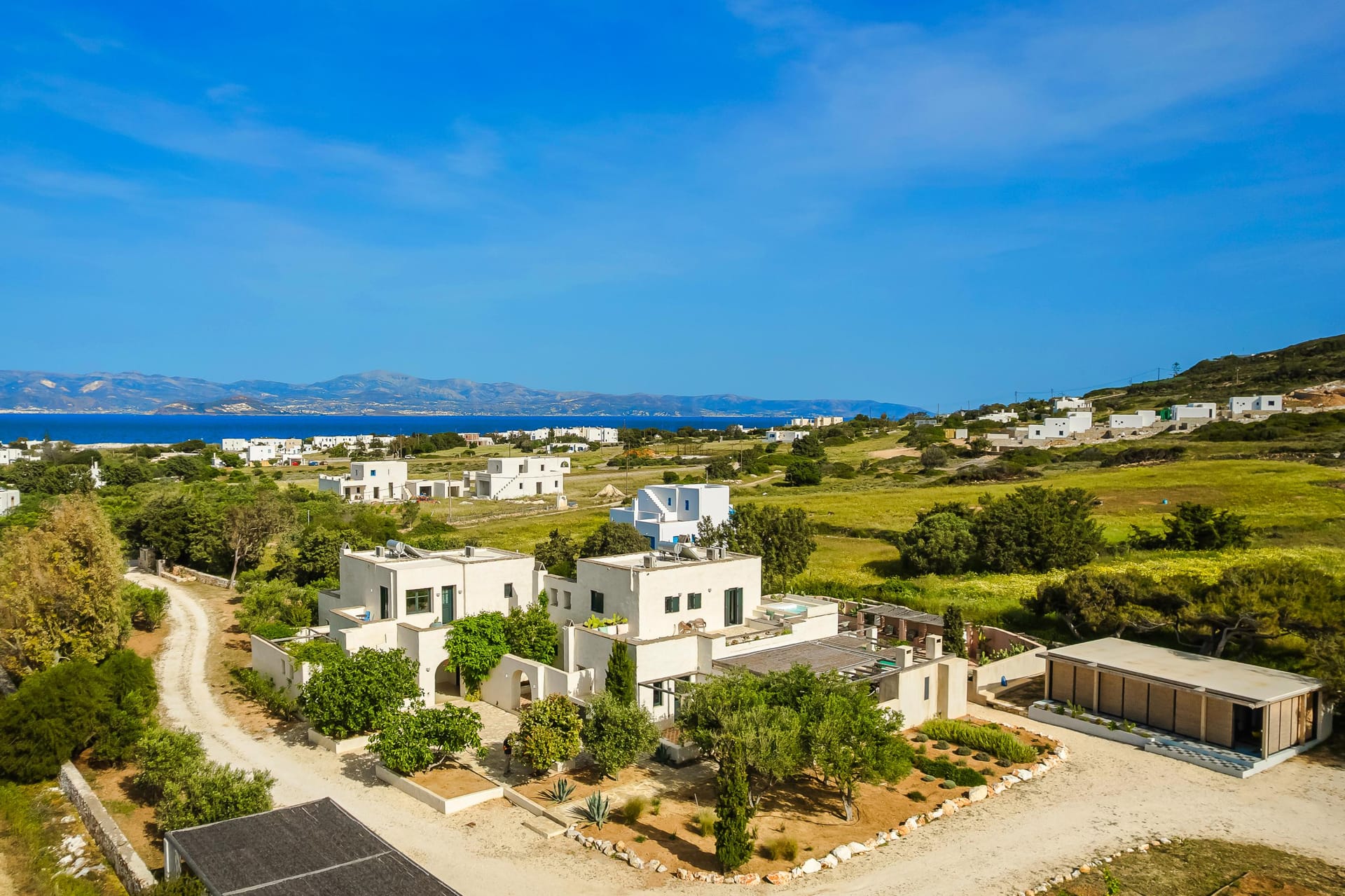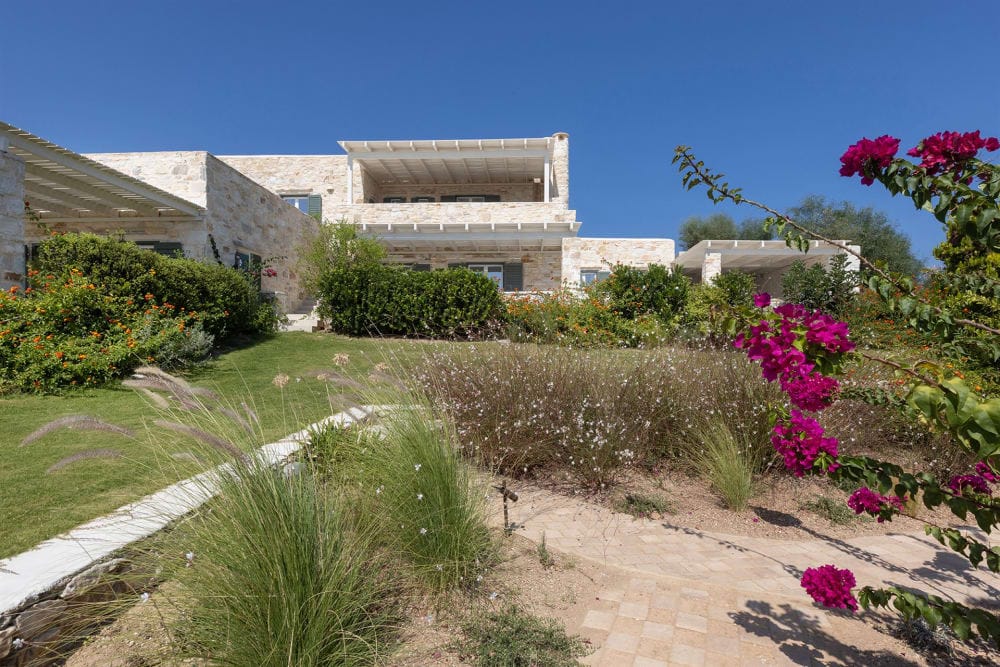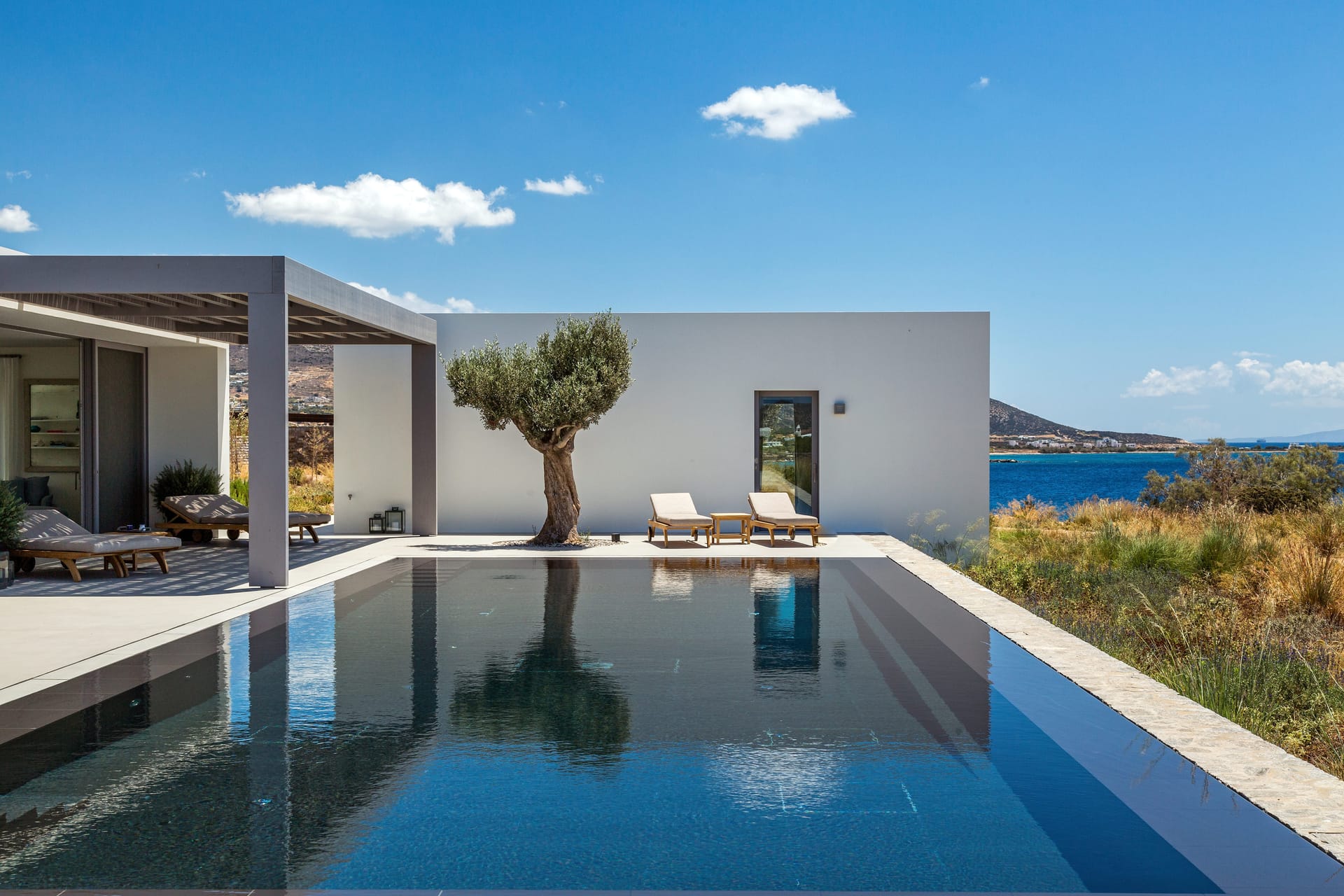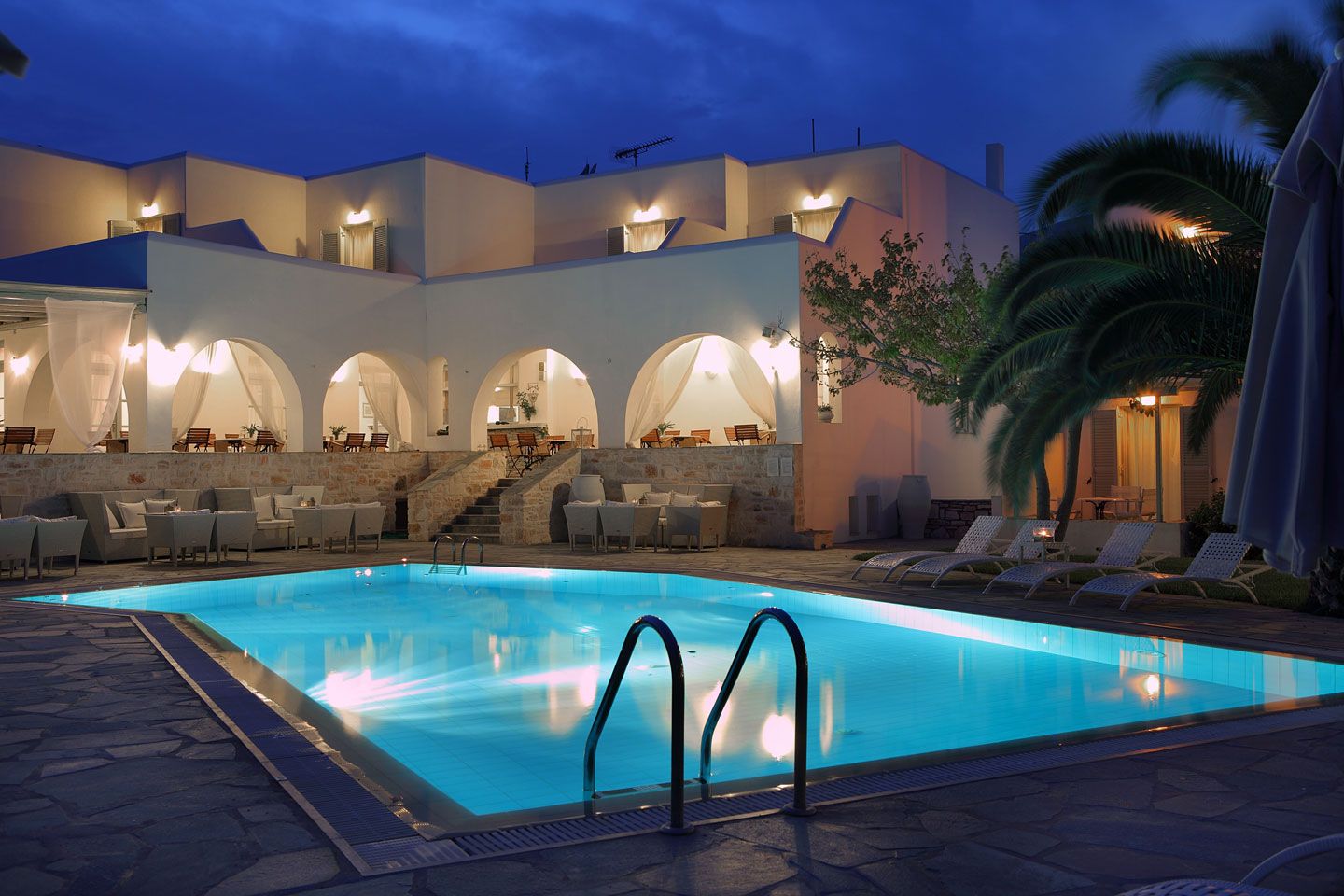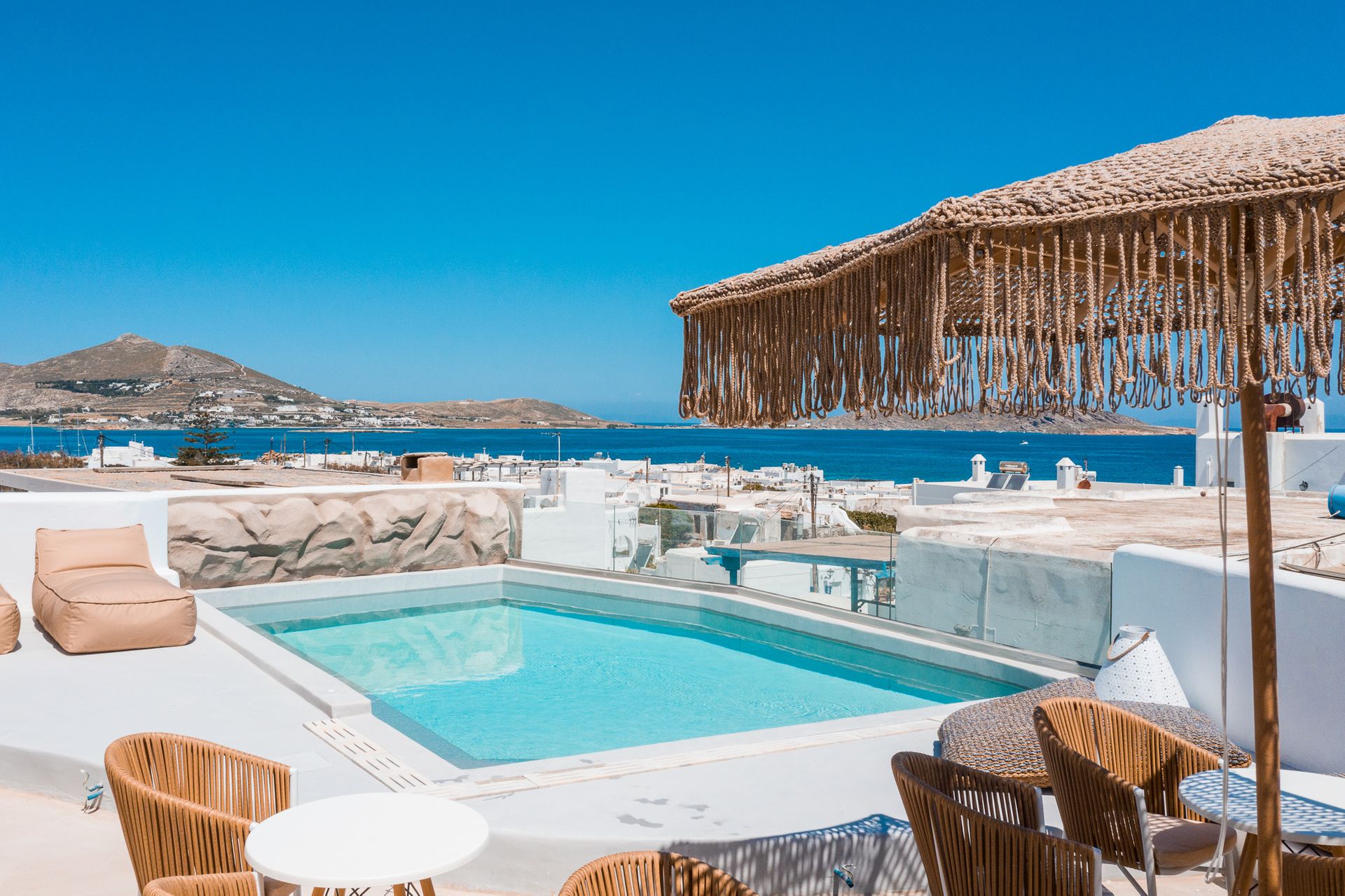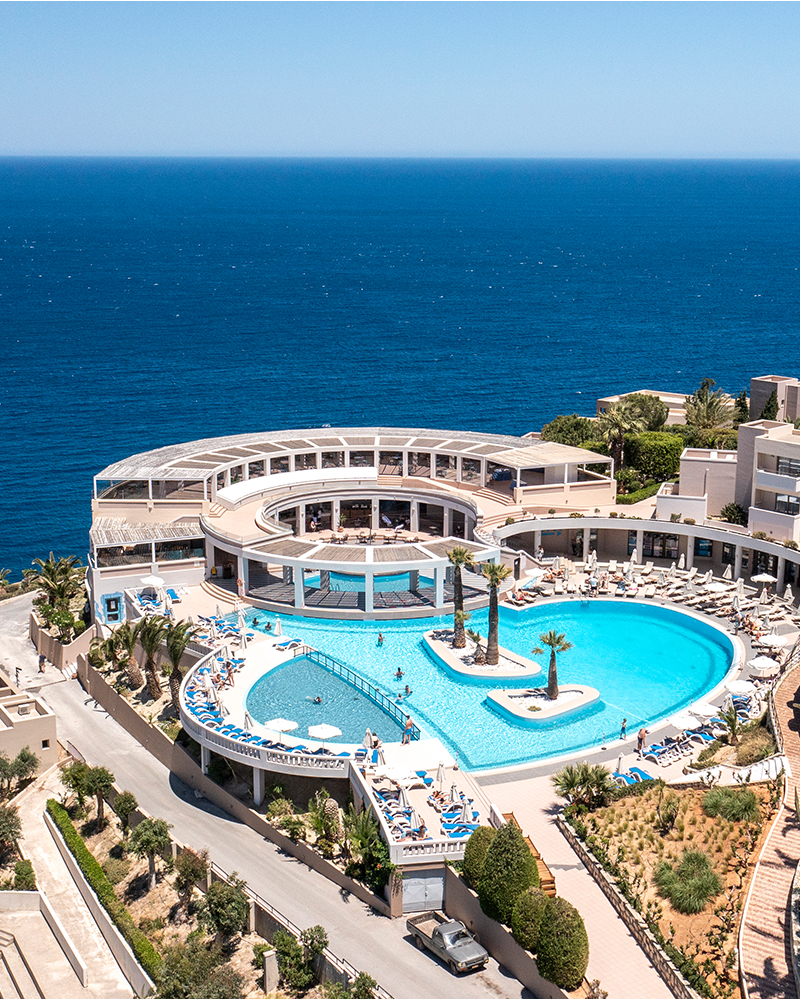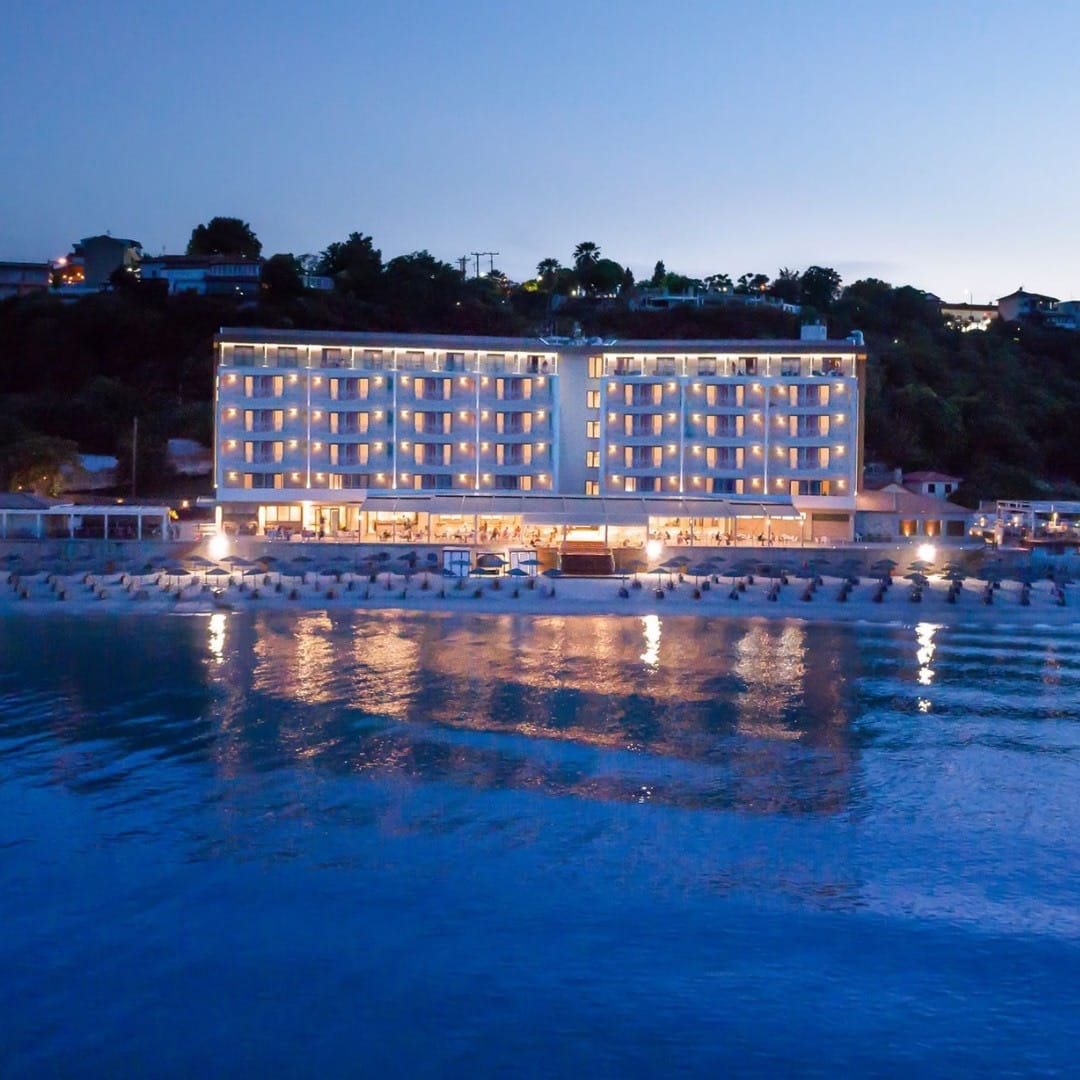
Paros sits dead centre in the Cyclades and has quietly become one of the most-loved islands in the group. It offers what many travellers want from a Greek island without the prices or pressure of its more famous neighbours: a postcard old port at Naoussa, a long whitewashed Chora at Parikia, mountain villages of Lefkes and Marpissa, and a coastline ringing with sandy beaches sheltered enough for families and breezy enough at Pounta and Golden Beach for the European kitesurf circuit. The island is small enough to drive across in 40 minutes, making it ideal as a single base.
Naoussa, on the north coast, is the island's main draw for evenings: a small fishing harbour wrapped in tavernas, with cobbled lanes climbing into a maze of jasmine-covered houses and a Venetian breakwater that catches sunset crowds. Parikia, on the west coast, is the working capital and ferry port, with the Byzantine church of Panagia Ekatontapiliani (the Church of 100 Doors) as its anchor. Marpissa and Prodromos inland are sleepy white-cube villages most visitors miss. Lefkes, the medieval capital high in the hills, is the prettiest mountain village.
Paros has more cycling and walking infrastructure than most Greek islands, a marble heritage going back to the ancient quarries that produced the Venus de Milo, and excellent food: gavros marinated anchovies, octopus dried on lines outside tavernas, soumada almond drink, and Moraitis winery's Monemvasia white. The Antiparos ferry runs every 30 minutes from Pounta, opening up a second island in under ten minutes. Paros suits couples, families, slow travellers and Cyclades hoppers equally well.